Services
Eye Care Services In Irvine, CA
Discover personalized eye care excellence with our comprehensive services. From precise prescriptions to advanced diagnostics, trust us for all your vision needs.
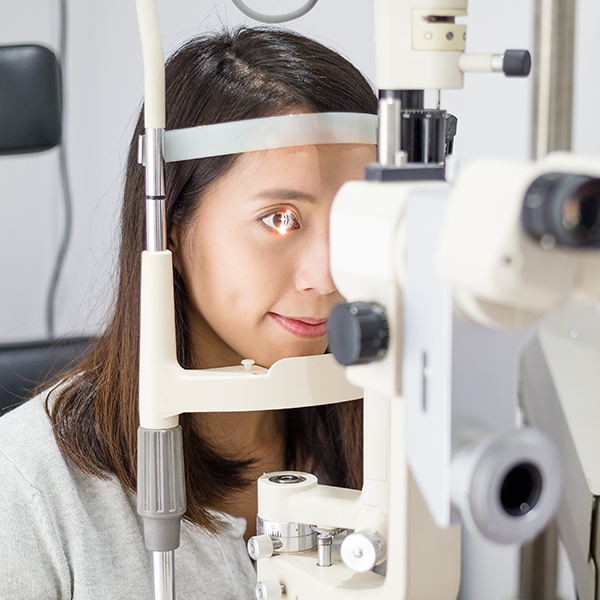
Comprehensive Eye Exams
If you’ve had a vision screening recently, you might say, “My vision is fine! I don’t need a comprehensive eye exam.” But a vision screening provides a limited perspective on the overall health of your eyes. It’s a bit like getting your blood pressure checked and not getting the rest of your annual physical. You’ll have useful information, but it’s not the whole picture.

Myopia Management
Myopia (or nearsightedness) is so common that nearly 50% of North Americans will have myopia by 2030. Myopia happens when the eye grows too fast, too long, and gets weaker. You may know it as blurry vision far away. At our practice, we specialize in pediatric eye care and treat myopia seriously.
Myopia can develop as young as age 3, and it often gets worse as children grow. Parents may not see signs that their child has myopia, such as squinting or having to sit up close to the television or computer screen to see clearly. Children often don’t realize their vision is blurry.

Contact Lens Exams
If you’ve never worn contact lenses before, it can seem a bit intimidating. After all, you’re inserting something into your eye! Let’s ease your mind about the first step – your contact lens exam. This post will walk you through what’s involved in a contact lens exam and what you can expect every step of the way.
Learn More
Macular Degeneration
Macular degeneration, commonly referred to as age-related macular degeneration (AMD), is the single largest cause of sight loss in the developed world and affects more than 10 million Americans. It usually affects people over the age of 60, but it has been known to affect those who are younger. It is a painless condition that usually affects both eyes, with the loss being experienced in the central vision. It does not affect the peripheral vision, meaning that it does not cause total blindness.
Learn More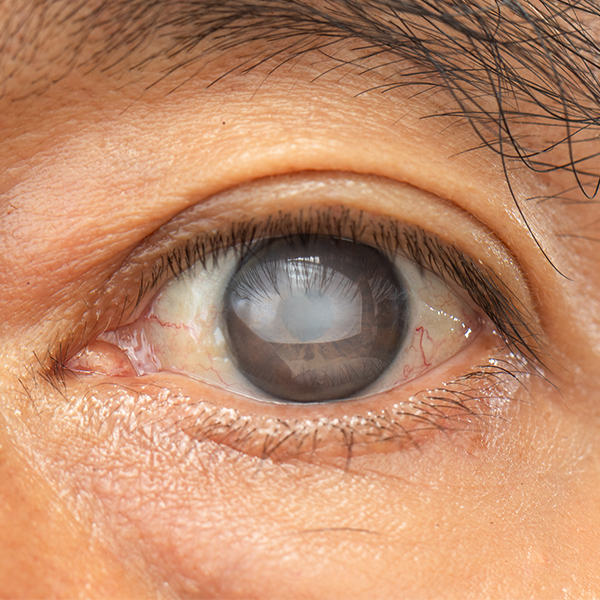
Cataracts
If you’ve been diagnosed with cataracts, you may wonder if cataract surgery is right around the corner. Not to worry. There are many preventive steps you can take to slow the progression of cataracts and preserve your vision. That doesn’t mean you won’t eventually need surgery, but you can at least delay the need for quite a while.
Learn More
Computer Vision Syndrome
Just a few decades ago, computer vision syndrome (CVS) was not known or understood. However, with an increase in the role of computers in our lives, it has become an increasingly common issue.
Learn More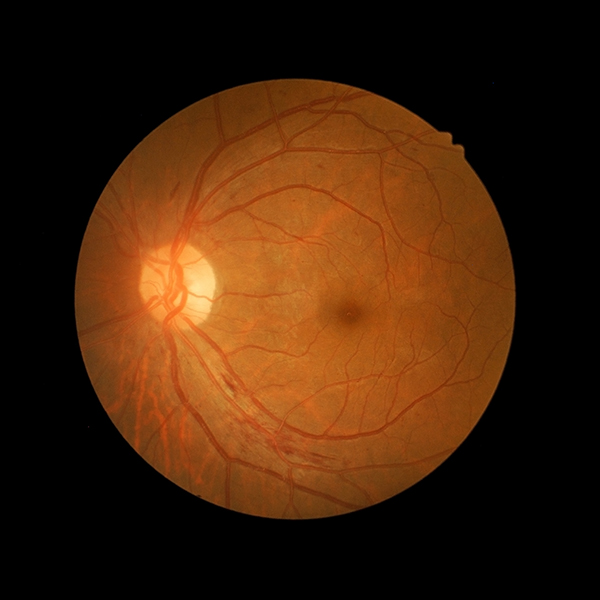
Diabetic Retinopathy
You have almost certainly heard of diabetes, which is one of the most common chronic health conditions in the United States with an estimated 100 million adults currently living with diabetes or pre-diabetes.
Learn More
Glaucoma
If you’ve been diagnosed with glaucoma, you’re probably already familiar with the typical options in glaucoma treatment – eye drops, laser treatment or traditional surgery.
Learn More
Specialty Contact Lenses
Every patient is different and so are their eyes. This means that there need to be different types of contact lenses to suit each individual.
Learn MoreQuick Links
Helpful Articles
All Eye Care Services
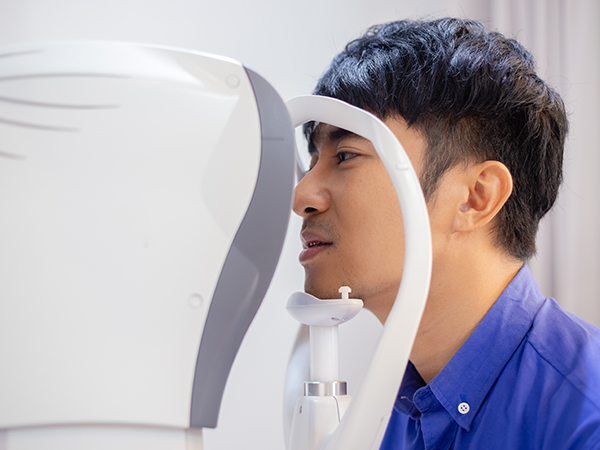
Find personalized eye care excellence with our comprehensive services. From eye exams to advanced diagnostics, trust us for all your vision needs.
Keep In Touch
For non-urgent questions or to learn more about our services, contact us today!
Contact Information
Hours of Operation
- Monday Closed
- Tuesday 10:00am - 7:00pm
- Wednesday 10:00am - 7:00pm
- Thursday 10:00am - 7:00pm
- Friday 10:00am - 7:00pm
- Saturday 8:00am - 3:00pm
- Sunday Closed
© 2026 Woodbury Family Optometry. All Rights Reserved - Accessibility Statement - Privacy Policy - Sitemap
Managed and Designed by 